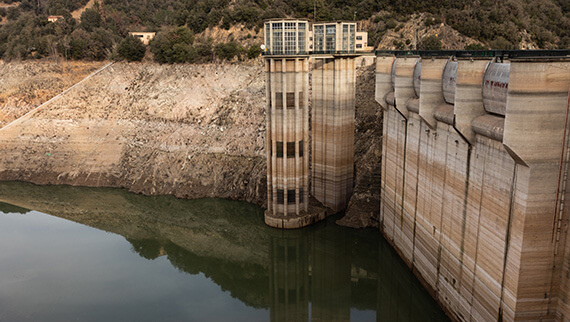
Engineering consultants in the fields of hydraulics, water resources and the environment
Our consultancy services are specialized in supporting the improvement of urban water supply and drainage systems and are divided into two main areas: sustainability, to improve operating efficiency, and resilience, to better prevent and prepare these systems for current and future challenges.
Sustainability
Energy efficiency
(water and wastewater)
Holistic analysis of energy consumption in order to identify opportunities for improvement (pumping stations and treatment plants).
Evaluating and testing the efficiency of equipment, systems and processes in order to define the best solutions.
Water efficiency (water)
Supporting entities on the definition of strategies, priority areas and resources to be strengthened for better control of water losses.
Assessment and design of solutions for monitoring, pressure reduction and system rehabilitation.
Operating efficiency
(wastewater)
Evaluation of the hydraulic behavior of the systems and their interaction with the natural environment.
Support for defining strategies to better control undue inflows.
Evaluation and design of solutions for monitoring, inspection and rehabilitation of systems.
A proper hydraulic assessment of the operation of the systems can trigger the greatest efficiency gains.
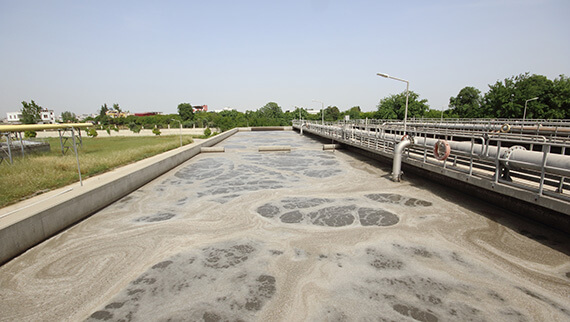
Planning
The challenges and demands are growing in the urban water sector, reinforcing the importance of planning in the management of these services, especially in the face of ageing infrastructure and more adverse scenarios such as droughts and floods. We support organizations in drawing up asset management plans and system security and resilience plans.
Hydraulic Modeling
Construction and calibration of hydraulic simulation models of the systems (water, wastewater or rainwater) to improve the degree of knowledge of the system, better understand the problems and explore possible solutions.
Studies and design
Future interventions will mainly focus on modifying, adapting and rehabilitating existing systems that are already in operation. We start by assessing the state of the system and evaluate the implications of the project, as well as any existing constraints (including execution, minimizing disruption to operation).
Project review
Checking the conformity and quality of the project, in terms of written and drawn documents, measurements, budget and specifications. Assessment of the impact on operating costs (OPEX).
Resilience
An exhaustive analysis of system vulnerabilities allows a better preparedness to face greater demands and challenges.